
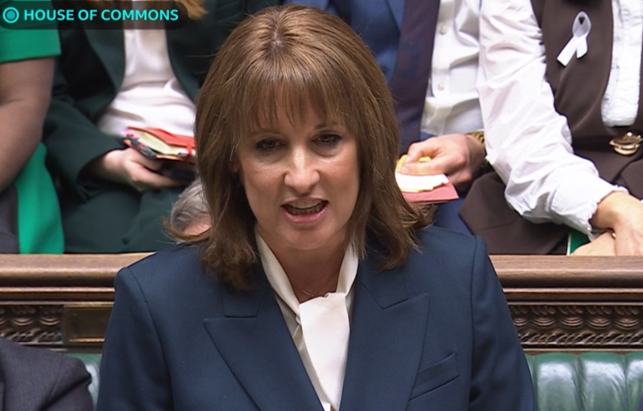
Agents warn of ‘dangerous’ rent control plans under Reeves

Rachel Reeves

Agents have expressed concern over those reports Rachel Reeves The introduction of rent controls, including a possible rent freeze, is being considered in England, as part of efforts to ease pressure on household finances.

Proposals, first reported The Guardian on MondayIt is understood to be under discussion within the government in response to the economic impact of the conflict in the Middle East, with rising energy costs and inflation expected to boost rent and mortgage payments.

Industry figures said the potential for intervention in the rental market has raised concerns among agents, who have warned that measures such as rent freezes could impact supply and investment in the private rental sector if implemented.

Timothy Douglas, head of policy and campaigns at Propertymark, commented: “With the UK Government bringing in major regulatory changes through the Tenants Rights Act, which will ultimately mean less flexibility and higher costs for landlords and tenants, it is worrying to hear reports that the Chancellor is considering additional rent control measures – especially as housing ministers have recently publicly condemned their role.

timothy douglas

“Evidence from across the UK, particularly in Scotland, shows that rent control restricts supply, deters investment, and reduces choice for tenants. Isolating landlords to solve the cost of living is not the answer.

“Rent control risks distorting the market and undermining investment, at a time when demand already far exceeds supply.

“If the UK government is serious about improving affordability, it should focus on increasing housing supply and supporting long-term investment in the private rented sector, rather than introducing measures that will ultimately make it harder for renters to find homes.”

There are concerns that short-term rentals will stop as well Tenant Rights Act 2025That could lead more landlords to exit the market.

Helen Bell, partner and head of litigation and dispute resolution at Mayo Wynne Baxter, commented: “Whilst it is right that the Government should be thinking about how it can protect families from the rising cost of living, landlords should really realize that they are in trouble at this time with the news that the Chancellor is considering a rent freeze on private rentals.

“The recent Tenant Rights Act abolishes no-fault evictions from May 1, 2026 and also provides a mechanism to regulate rent increases.

“These changes have been trialled for a long time and have encouraged some landlords to exit the market, leading to a reduction in properties available in the private sector.”

Bell said that efforts to prevent landlords from raising rents above market – potentially to force tenants out – are “commendable”, but it is less widely understood that tenants can already challenge a proposed increase by referring it to a tribunal for determination.

He said: “The fare increase will be applicable only on the date fixed by the tribunal and not on the date of notice.

“With the existing backlog at tribunals, landlords may easily have to wait six months to a year or more for the increase to take effect.

“If the government now places additional burdens on landlords’ ability to collect rent, which is already limited by the Tenant Rights Act, this could potentially lead to more landlords leaving the market.

“This will reduce the number of rental properties available, and could lead to rents rising. In other words, it will have the opposite effect of what the Chancellor is hoping to achieve.”

Ollie Sherlock, managing director of insurance at Goodlord, fears further uncertainty in the sector as a result of this latest speculation.

Sherlock said: “Floating the idea of ​​a full rent freeze on top of the Tenants’ Rights Act seems like policy duplication at best and complete confusion at worst. At a time when landlords, agents and tenants are trying to prepare for the biggest legislative change in decades, this kind of political “kite-flying” is extremely unhelpful.

“More fundamentally, the evidence is very clear on rent controls in the medium to long term. They reduce supply, distort the market, and ultimately make things worse for the very tenants they are supposed to protect.

“If the goal is to improve affordability and sustainability in the private rented sector, we need clarity and consistency; not overlapping interventions that risk undermining confidence just as the sector is adjusting to major reforms.”

Reeves considering ‘surprising’ rent freeze to shore up household budget

Leave a Comment

Your email address will not be published. Required fields are marked *

Scroll to Top