
For an industry that depends on speed and clarity, communication communications is becoming increasingly siled. At ASAP’s recent Conveyancing Network Round Table, one issue that kept coming up was telephone degradation.
Email, portals and messaging platforms now dominate. Of course, they are efficient, trackable, and scalable – all of which are essential in today’s high-volume environments. But as they streamlined the workflow, the idea came that they might also quietly start delaying the transaction process. Trying to put deals together is a worry for estate agents.
Email: efficient, but not always effective
There is no doubt that email has changed communication. It creates a clear audit trail, integrates seamlessly with case management systems and supports the reality of large caseloads. However, it is not complete. As one facilitator in our session said:
“Email has become the most prevalent method, but that doesn’t mean it’s the most effective.”
The agent will recognize the problem. A simple question that can be resolved in minutes over the phone can quickly turn into a long series of emails that stretch on for days. Email may seem productive, but in practice it often creates friction, duplication and delays, especially when dealing with complex or time-sensitive issues.
lost in Translation
Convection is rarely direct. It involves legal jargon, multiple parties, and often significant emotional pressure for buyers and sellers. In that context, written communication has its limitations. The email may lack tone and context. They may be misinterpreted and this may slow down their progress.
In some cases, for agents it can mean the difference between a transaction proceeding smoothly or stalling at a critical moment.
generational change
Making matters more complicated is a widespread behavioral change. Young customers are shying away from using phones. Research discussed at our roundtable revealed that approximately 23% of 18-34 year olds hesitate to answer a call.
Companies are trying to adapt to these preferences, offering more digital-first communication options. But this creates a tension: balancing a modern, customer-friendly approach with the need to keep transactions flowing efficiently.
Why does the phone still matter?
Despite the shift toward digital, there was strong consensus among messengers that the telephone was still essential.
This offers clear benefits, such as immediate clarification of issues, real-time problem resolution, the ability to detect misunderstandings early and the provision of more human, relationship-driven interactions. Negotiation builds relationships and therefore trust, especially in long and often complex transactions. In a process where delay can have serious consequences, these benefits are hard to ignore.
Ultimately, fast resolution and clear management of complex issues is critical to keeping transactions on track and avoiding delays.
Keeping communication open and resolving issues quickly is often the key to keeping chains intact and preventing deterioration.
ground reality
Time or lack of time is the reason why phone usage is decreasing. Carriers often struggle to answer or return calls due to high caseloads and constant pressure. Email has become the default, because it seems more manageable. It can be prioritized, tracked and dealt with in batches.
Email, portals and messaging all have important roles to play, but there is a growing case for using them more wisely.
This may include: switching to phone calls when email chains become long, making proactive calls at key stages of the transaction, and setting clear expectations with customers about when a call will be needed.
What does this mean for agents
For estate agents, the implications are clear. In a market where speed and certainty are important, communication can make or break a deal.
The telephone is no longer the dominant tool in communication, but it remains one of the most effective. Crucially, advances in technology mean calls can now be recorded and transcribed using AI, combining the clarity of conversations with the assurance of a documentary record.
Companies that recognize this and strike the right balance between digital efficiency and human interaction will be better positioned to drive transactions forward and provide a seamless customer experience. Inevitably, there are occasions when the fastest way to close a deal is to simply pick up the phone.
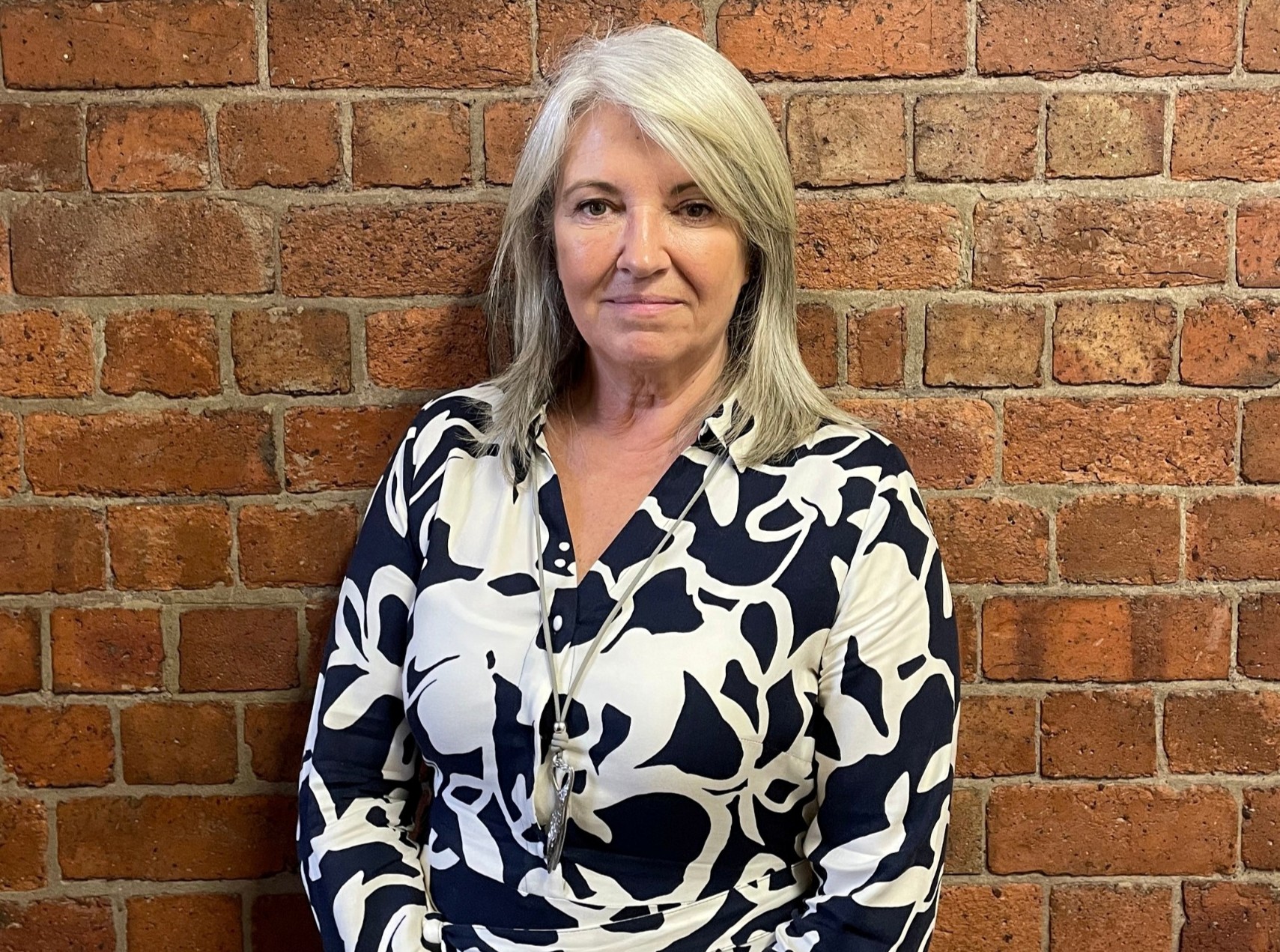
Julie Williams, Head of Service Delivery As soon as possible.