
According to estimates, the Treasury is expected to see a short-term reduction in tax receipts ahead of the introduction of Labour’s high-value property levy.
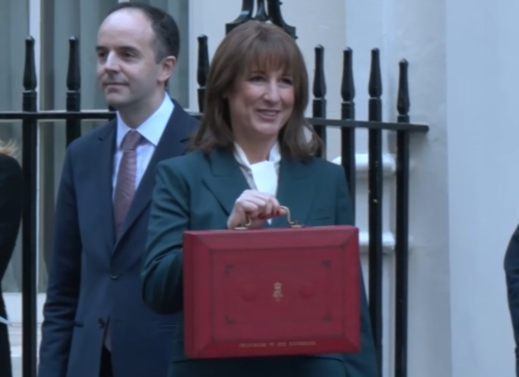
The policy – a council tax surcharge on homes worth more than £2m, often known as the “mansion tax” – was outlined by the Chancellor Rachel Reeves In the autumn budget last November.
reporting by many timesCiting Treasury analysis, it suggested that receipts from stamp duty and inheritance tax linked to high-value properties are expected to decline in the period leading up to the introduction of the levy. This may have a net fiscal impact before any revenue is generated.
Under the current plans, a surcharge will apply from April 2028 on residential properties worth more than £2m in England, payable in addition to standard council tax.
Authorities estimate that stamp duty and inheritance tax receipts could fall by £230m over the next three years, partly reflecting pressure on prices around the £2m threshold.
The government also expects to spend around £150m of costs to identify and value affected properties, bringing the total upfront impact to at least £380m before any revenue is generated.
The levy will be structured into four bands based on property value. Homes valued between £2 million and £2.5 million will face an annual fee of £2,500, rising to £3,500 for homes valued up to £3.5 million.
Properties in the £3.5m to £5m range will face a £5,000 annual levy, while homes worth more than £5m will face a £7,500 levy.
Agents report that the proposed changes are already impacting activity at the top end of the market ahead of the 2028 implementation date.
Anisha Beveridge, head of research at Hampton, told the press: “Only a 1.5% decline in sales seems quite a small number.
“Our analysis shows that the mansion tax is already shaping behavior for both buyers and sellers, particularly around the £2 million entry point.”
Buyers are reportedly making offers quickly to keep prices below the £2m threshold, while listings priced between £1.8m and £2m have increased by 6% since the Budget. In contrast, properties marketed between £2m and £2.2m declined by 7% over the same period.
Treasury estimates suggest the levy could generate around £1.4bn in its first three years, with a net return of £930m by 2031 after costs and reduced receipts elsewhere.
Around 156,000 homeowners are expected to be affected by the policy, with the typical annual charge being around £3,000.
Some agents and landlords are concerned that the limit may be lowered in the future.
Beveridge said: “When governments bring in limits like this, they usually come down.
“So we could see future governments changing the £2 million level to impose more tax.”